
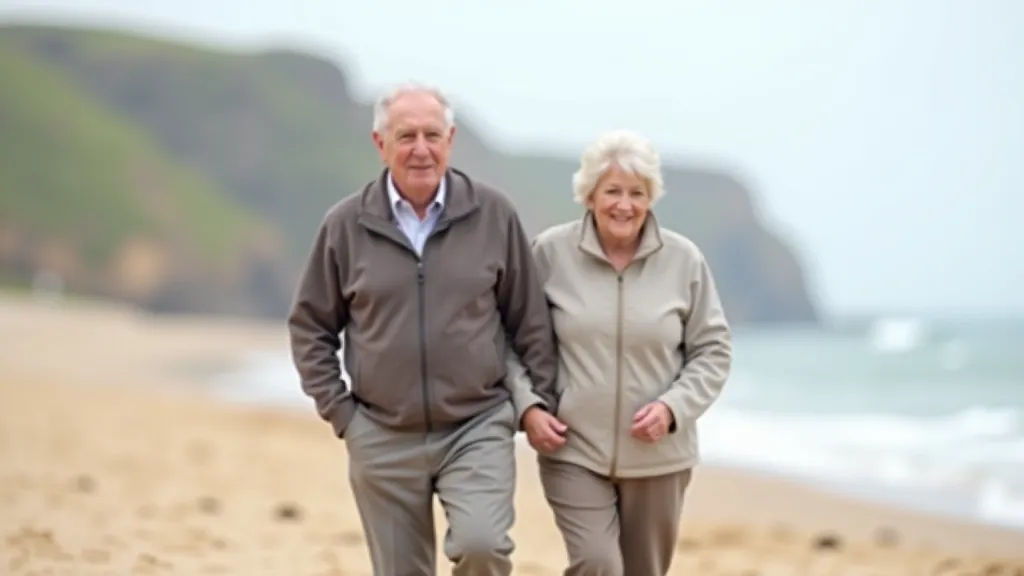
Starting Out: Your First Walk on the Promenade
A beginner's guide to the main promenade route. Covers distance, surface conditions, and what to expect on your first outing.
Practical advice on footwear, weather protection, and what essentials to pack for comfortable coastal walks in all seasons.
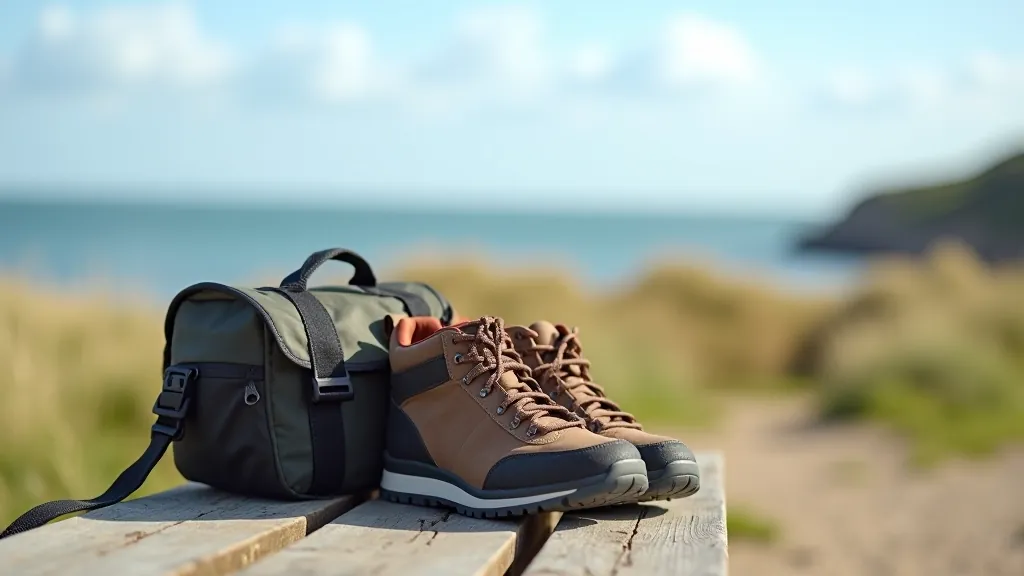

The right gear transforms a walk from uncomfortable to genuinely enjoyable. You're not just buying equipment — you're investing in confidence and comfort. A good pair of walking shoes means the difference between exploring the full promenade and cutting your walk short. Weather-appropriate clothing keeps you warm without overheating. And the right backpack lets you carry what you need without strain.
Here's the deal: most walkers overcomplicate this. You don't need expensive specialist gear. You need items that fit properly, serve a real purpose, and match the conditions you'll actually encounter along Tramore's coastal paths. We'll walk through what matters and what's genuinely worth your investment.
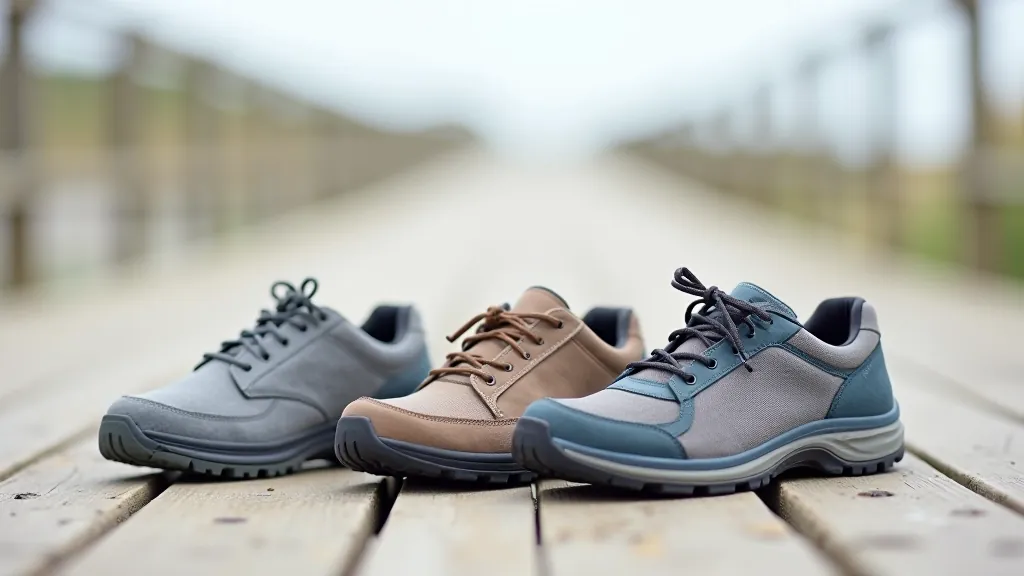
Shoes are everything. Your feet carry you for 4-6 kilometres along uneven surfaces, and the wrong choice leaves you sore or limping. Walking shoes aren't casual trainers. They're engineered differently — firmer sole, better arch support, ankle stability.
Look for padded heel counters and mid-foot support. Your feet will thank you by hour two. Most good walking shoes have memory foam or gel inserts that actually matter.
The promenade gets slippery when wet. Dune boardwalks are even worse. Rubber soles with good tread patterns prevent slips. It's not glamorous but it's practical.
Shoes should feel comfortable immediately — no "break-in period" needed for walking shoes. Half a size too tight means blisters. Too loose means your foot slides. Get properly fitted at a shop.
Budget £60-120 for decent walking shoes. It's an investment that lasts 12-18 months of regular use. And yes, you'll notice the difference immediately.
Tramore's seafront isn't sheltered. Wind funnels across the water and hits the promenade hard. That's why layering beats wearing one thick jacket. You're working your muscles walking uphill sections, so you'll warm up. But stop for 10 minutes and the sea breeze cuts right through.
The best approach: start with a moisture-wicking base layer (merino wool or synthetic blend — not cotton). Add a lightweight fleece or sweater. Top it with a windproof outer layer you can remove. That way you adjust as your body temperature changes.
Lightweight merino wool or synthetic. Keeps sweat off your skin so you don't chill when you stop.
Fleece or wool sweater for insulation. Packable so you can tie it round your waist if you get warm.
Windproof jacket. Doesn't need to be waterproof if it's dry, but having water resistance is smart.
You don't need much, but what you bring should actually be useful. A small backpack — 15-20 litres — is ideal. Anything larger encourages you to overpack.
600ml minimum. Dehydration sneaks up on you. Bring more than you think you'll drink — there aren't many shops on the dune trails.
SPF 30+ sunscreen and a hat. The sea reflects UV rays and amplifies exposure. You're outside for an hour or more, so protection matters.
Download offline maps before you go. Phone batteries drain faster in cold, and signal can be patchy on the trails.
Plasters, pain relief, and blister treatment. Small pack, big difference if something minor goes wrong mid-walk.
Trail mix, energy bars, or fruit. A small snack maintains energy without weighing you down. Nothing fancy required.
Your phone with emergency numbers saved. Tell someone where you're going and roughly when you'll return.

Good preparation doesn't mean spending a fortune. It means choosing gear that actually works for your needs. Proper shoes, appropriate layers, and a small pack of essentials — that's genuinely all you need. Start with one walk in the conditions that appeal to you most. You'll quickly learn what you actually use and what stays at home.
The promenade and dune trails aren't challenging walks. They're pleasant coastal experiences. The right gear simply ensures they stay pleasant from start to finish. You'll find yourself wanting to explore further, discovering new sections, returning in different seasons. And that's the real payoff — gear that lets you enjoy where you're walking rather than focusing on discomfort.
This article provides general information about walking gear and preparation for outdoor activities. Individual needs vary based on personal fitness, health conditions, and weather circumstances. If you have specific health concerns or mobility limitations, consult with your healthcare provider before beginning a new walking programme. Weather conditions along the Tramore coast can change rapidly — always check forecasts before heading out and adjust your plans accordingly.