

Starting Out: Your First Walk on the Promenade
A beginner's guide to the main promenade route. Covers distance, surface conditions, and what to expect on your first outing.
Read MoreEverything you need to know about the boardwalk routes through Tramore's dunes. We'll walk you through terrain difficulty, best times to visit, and the wildlife you might spot along the way.
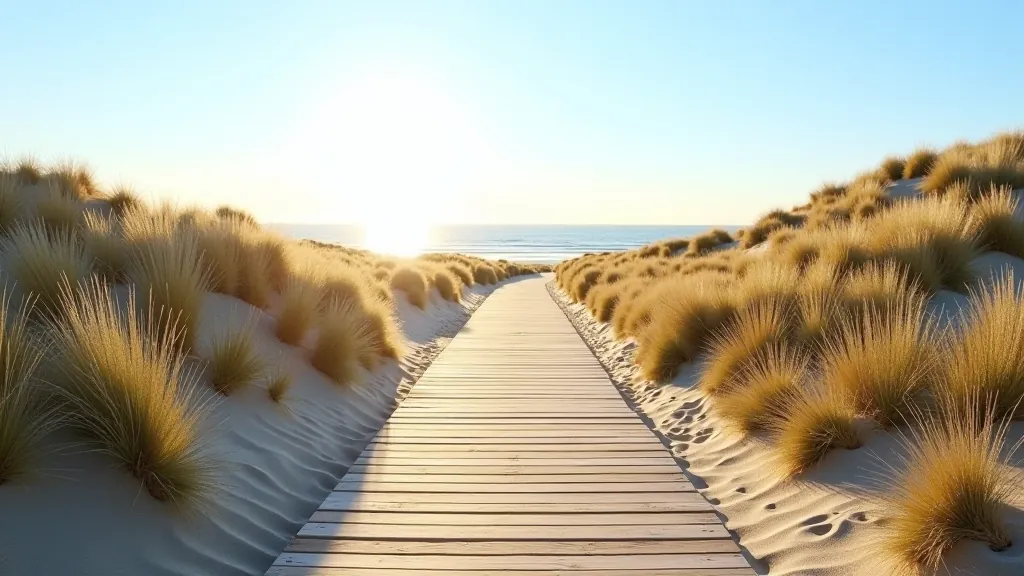

Tramore's dune trails offer a unique experience for those looking to explore coastal landscapes. The main boardwalk stretches across the dunes, providing safe, accessible pathways that wind through protected dune grassland. It's not just about the walking—you're moving through an important ecosystem that's been carefully managed to protect local wildlife.
The trails connect several key areas along the coast. The main route covers about 2.5 kilometers of boardwalk, though there are shorter sections you can walk if you prefer a gentler outing. The boardwalk itself is made from sustainable timber, raised above the dunes to protect the vegetation underneath. You'll notice the path is fairly flat with gentle curves, making it manageable for most fitness levels.
Most walkers complete the full circuit in about 45 minutes to an hour, depending on pace and how often you stop to take in the views. The beauty of the dune trails is that you don't need to rush. Many people take their time, pause at viewing areas, and simply enjoy being in nature.
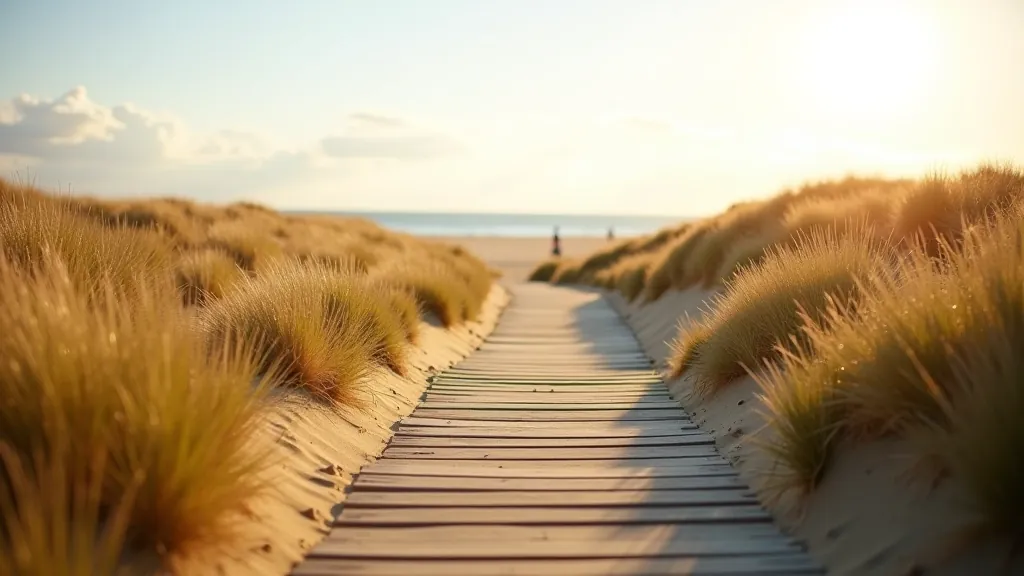

The boardwalk surface is your main walking area, and it's deliberately designed for accessibility. The timber decking is smooth and non-slip, with occasional slight elevation changes where the path rises to provide better views. There aren't any steep inclines—the highest point on the trail is maybe 8-10 meters above sea level, so the effort required is minimal.
What matters most is weather conditions. On windy days, you might feel the breeze more strongly on the dunes since there's limited shelter. Rain can make the boardwalk a bit slippery, though the non-slip surface helps significantly. Most walkers find the trails are actually better after light rain when the air feels fresher and cleaner.
The surrounding sandy areas are off the main path, but you'll see plenty of dune vegetation up close as you walk. Don't step off the boardwalk onto the dunes themselves—this protects the marram grass and other plants that hold the dunes together. The boardwalk boundaries exist for good reason.
Mild temperatures around 10-14°C. The dunes come alive with wildflowers. You'll spot bird activity as migrants pass through. Mornings can be crisp, so a light layer is worth bringing.
Warmest season with temperatures 16-19°C. The trails are busier with visitors. Early morning walks avoid crowds. Sun protection becomes important—the reflection off sand intensifies UV exposure.
Temperature range 12-16°C. Fewer crowds than summer. The light quality is stunning for photography. Wind tends to pick up, but the trails remain accessible and pleasant.
Coldest period at 6-10°C. Frost can make boardwalks slippery—check conditions first. Quietest season. Seabirds are more visible. Waterproof outerwear is essential.
The dunes aren't just scenic—they're a living habitat. You're quite likely to see rabbits, especially in early morning or evening hours. They're used to human presence and won't be aggressive, but give them space if they cross your path.
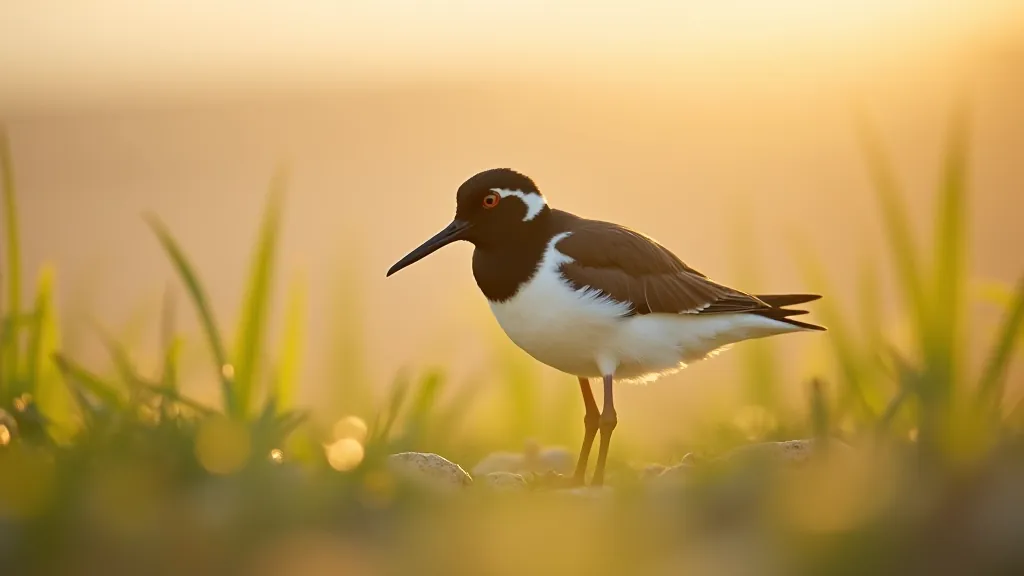
Birdwatching opportunities are excellent. Look for oystercatchers, plovers, and terns depending on the season. In spring and autumn, migrating warblers pass through. Keep binoculars handy if you're interested. The dunes provide nesting habitat for several protected species, which is why staying on the boardwalk matters—it prevents disturbance during breeding season.
Insects are abundant in warmer months. You'll see butterflies, particularly meadow browns and common blues in summer. Grasshoppers create background sounds on warm days. These aren't pests—they're part of what makes the ecosystem work. If you're sensitive to insects, wearing light-colored, long-sleeved clothing helps.
Marine life is visible from the boardwalk, especially at lower tide. You might spot seals in the water, and occasionally dolphins pass through the bay during summer months. The best viewing is typically mid-morning when the light's good and wildlife is most active.
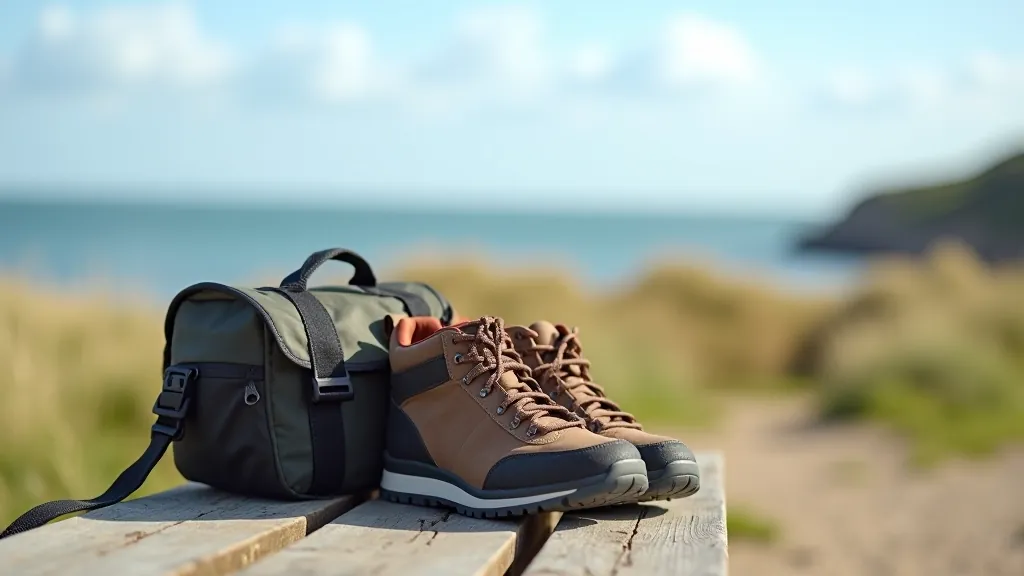
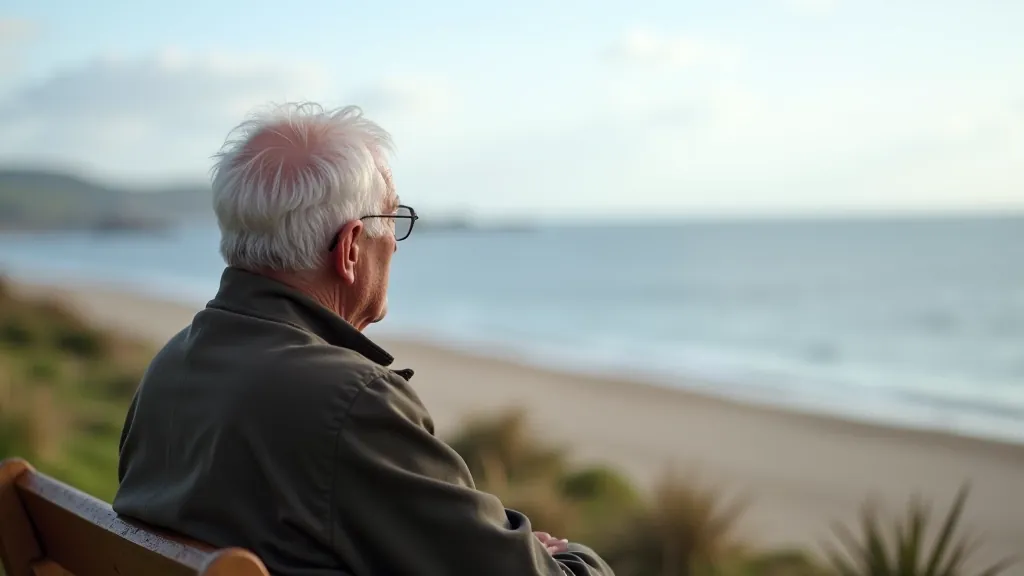
The dune trails at Tramore offer something special—a chance to experience coastal nature without requiring athletic ability or advanced fitness. You're walking through a genuinely important ecosystem, and the boardwalk makes it accessible to nearly everyone. The trails work for a solo walk, a outing with friends, or a family visit.
Start with realistic expectations about what you'll see and do. The trails aren't about conquering distance—they're about experiencing the environment at your own pace. Some days you'll walk the full circuit quickly. Other days you might spend 90 minutes covering half the distance while you watch birds or simply enjoy the sound of wind through the grasses.
Respect the dunes, stay on the boardwalk, and you'll have an excellent experience. The coastal landscape changes with seasons, so you might find yourself returning multiple times throughout the year. That's the real value of these trails—they're never quite the same twice.
This article is provided for informational and educational purposes. Conditions on the trails can vary based on weather, season, and maintenance schedules. Always check current conditions before heading out, and consult with local authorities or visitor centers for up-to-date information about trail access. If you have mobility concerns or health conditions that might affect your ability to walk, consider speaking with a healthcare provider before attempting any trail walk. Weather conditions change rapidly in coastal areas—be prepared for wind, sudden rain, or temperature drops. The information provided reflects typical conditions but individual experiences may vary.