
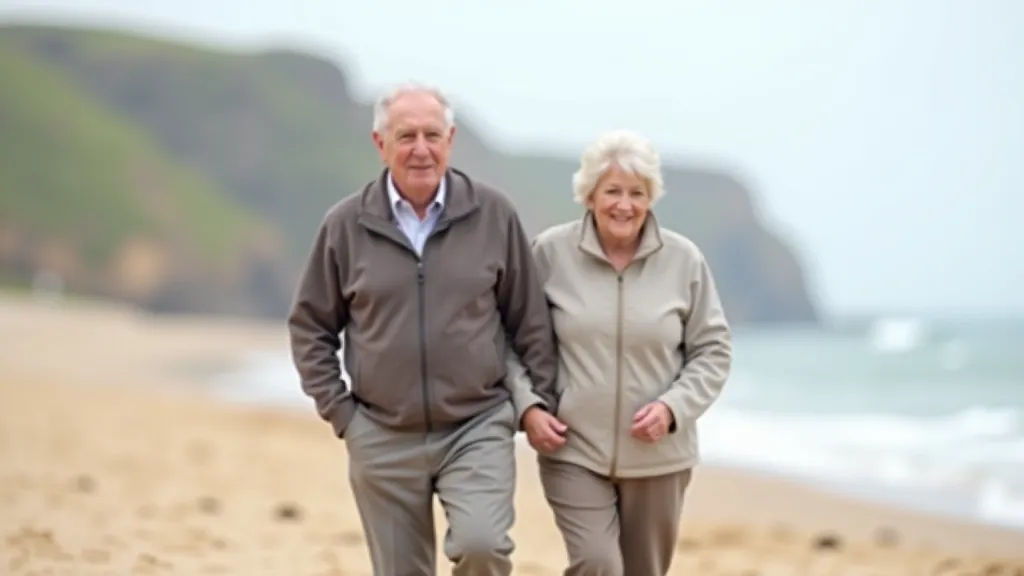
Starting Out: Your First Walk on the Promenade
A beginner's guide to the main promenade route. Covers distance, surface conditions, and what to expect on your first outing.
A detailed guide to seating areas, refreshment spots, and facilities throughout the Tramore promenade and dune paths.
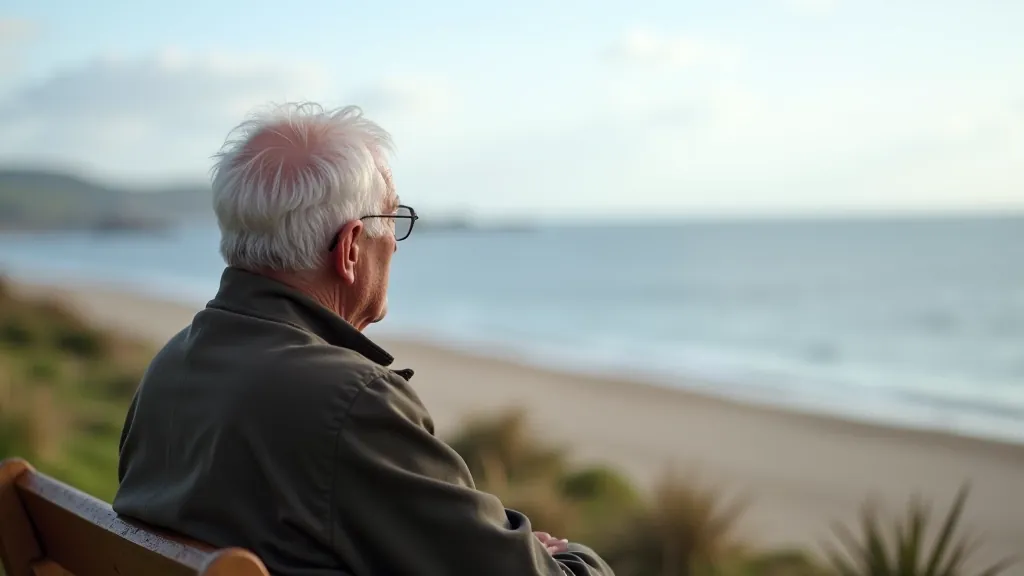

When you're walking the Tramore promenade or exploring the dune paths, you don't want to worry about finding a place to sit down and catch your breath. We've mapped out every bench, shelter, and rest area along the main routes so you can plan your walk with confidence.
It's not just about having somewhere to sit. These rest points are strategically placed at natural intervals, giving you the chance to enjoy the views, hydrate, and rest your legs without feeling rushed. Many have shelter from the wind, and several are near public facilities like toilets and refreshment stands.
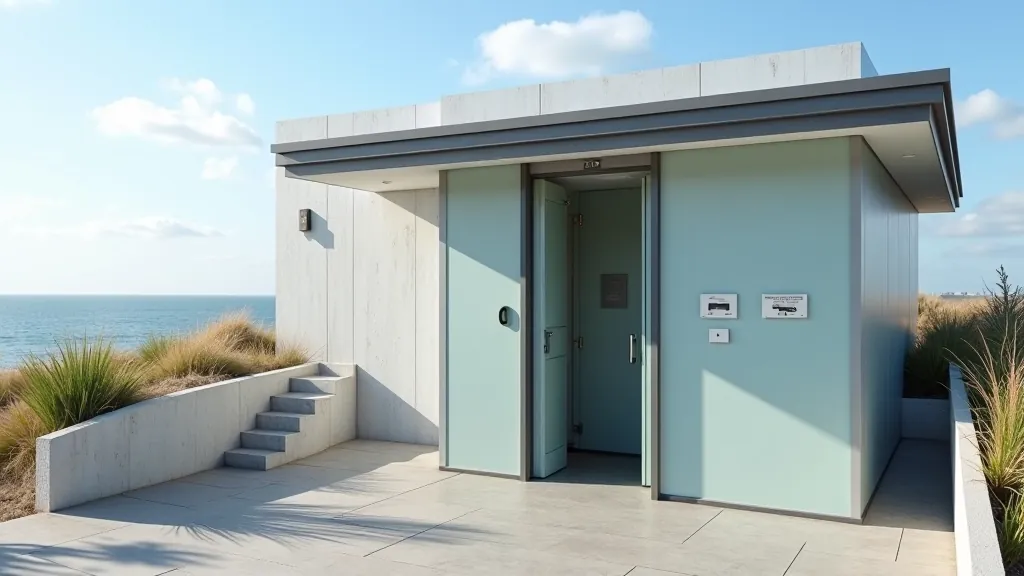
The promenade has been designed with walkers in mind. There's a public toilet block at the main pavilion area (about halfway through the main route), and smaller facilities at the car parks near the dune trails. All are accessible and well-maintained.
Water fountains are scattered throughout, though we'd recommend bringing your own water bottle just to be safe. The cafés near the start of the main promenade route are perfect if you fancy a proper sit-down with a cup of tea rather than a quick rest on a bench.
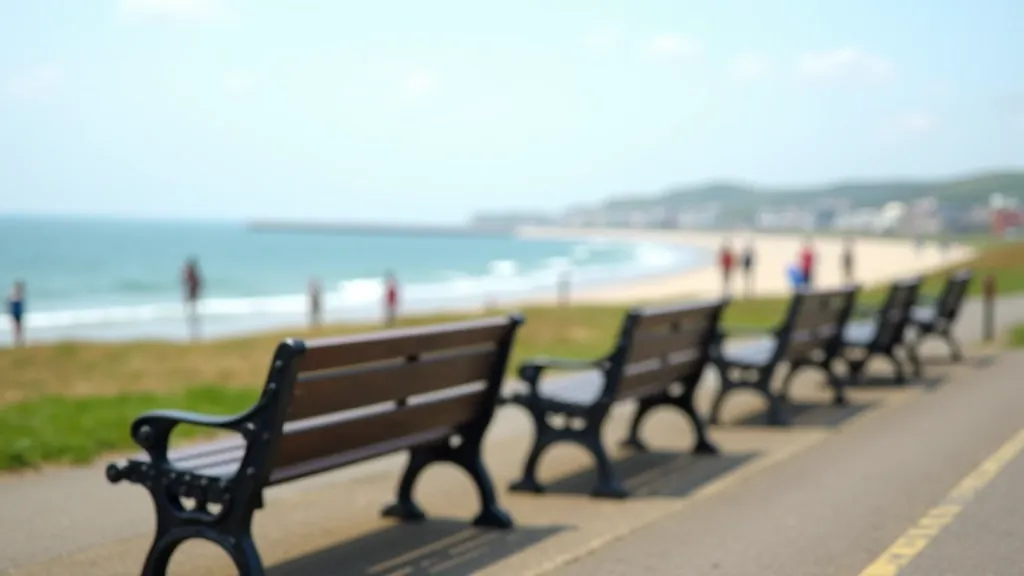
You'll find benches every 200-300 metres along the main promenade. That's roughly every 3-4 minutes of walking. Some have backrest support, which makes a real difference if you need to sit for longer periods. Others are simple slat benches — comfortable enough for a quick breather.
The dune trails have fewer benches, but there are shelter boxes at key points where you can sit out of the wind. We'd recommend checking wind direction before you set off if you're choosing the dune route — a shelter box facing away from the prevailing wind makes a massive difference to comfort.
Most benches have been positioned to face the sea or the gardens, so you're getting a view while you rest. Some have armrests, which are genuinely helpful when you're getting up from a seated position. Don't be shy about using them — they're there for exactly that reason.

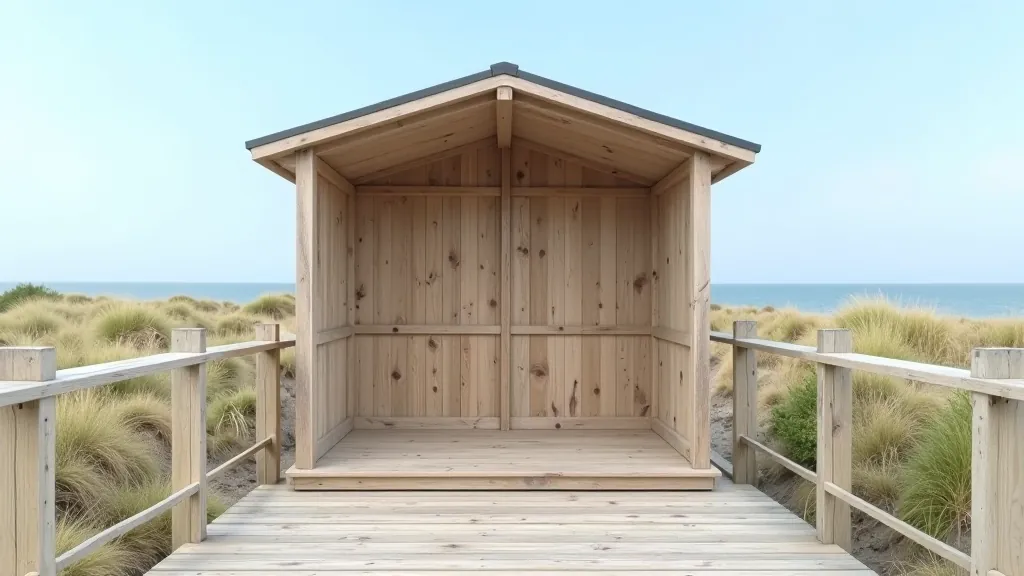
Ireland's coastal weather can turn quickly. That's why there are several sheltered spots along both routes. The main pavilion offers the most substantial shelter, with a covered area and walls on three sides. It's warm even on breezy days, and you'll often find other walkers there sharing stories about their routes.
The dune trail shelters are smaller — more like boxes than buildings — but they're positioned to block the worst of the wind. On days when the Atlantic wind's coming in hard, these make the difference between a comfortable rest and being pushed about by gusts. They're also great for a quick escape if the weather suddenly changes.
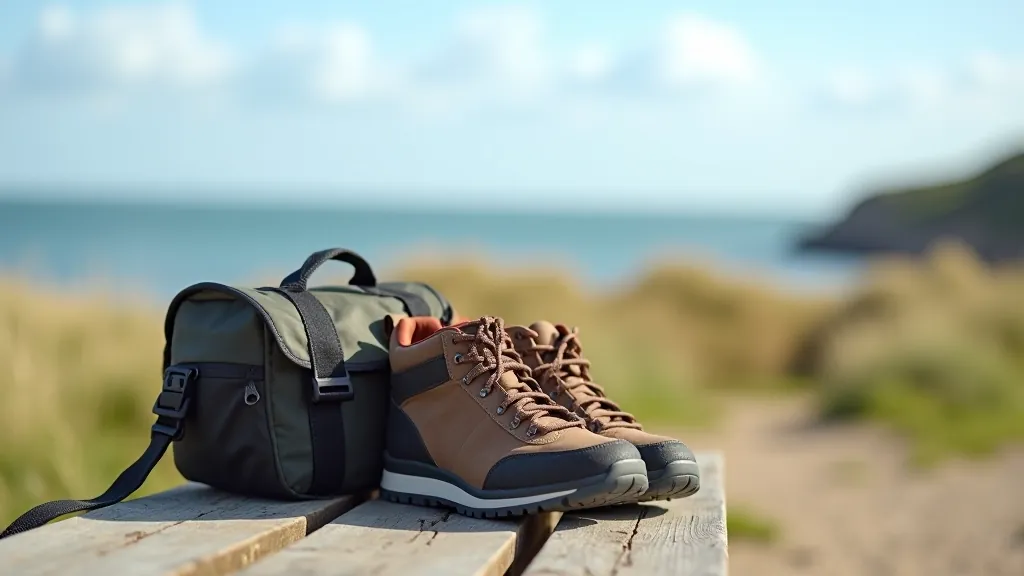
If you're walking in the colder months, bring a windproof layer even if it's not raining. Sitting still in wind chill is very different from walking. A lightweight jacket stored in your rucksack won't take much space but'll make a real difference when you're resting.

The best walk is one where you're not anxious about running out of places to rest. Now that you know where all the benches, shelters, and facilities are, you can plan your route with confidence. Whether you're doing a quick 20-minute stroll or spending a couple of hours exploring, there's a rest point suited to your needs.
Start at a pace that feels comfortable, use the rest stops without guilt, and enjoy the views. That's what these routes are designed for. You'll find that with proper planning and the right gear, the Tramore promenade and dune paths offer some genuinely special walking experiences.
This guide is provided for informational purposes to help you plan your walks in Tramore. While we've done our best to ensure accuracy, facilities, seating, and conditions can change. We recommend checking local visitor information or the Tramore community website before your walk for any updates. Weather conditions along the coast can change rapidly — always bring appropriate clothing and let someone know your plans. If you have specific mobility concerns or health conditions, consider consulting with your healthcare provider before undertaking any new walking routine.